
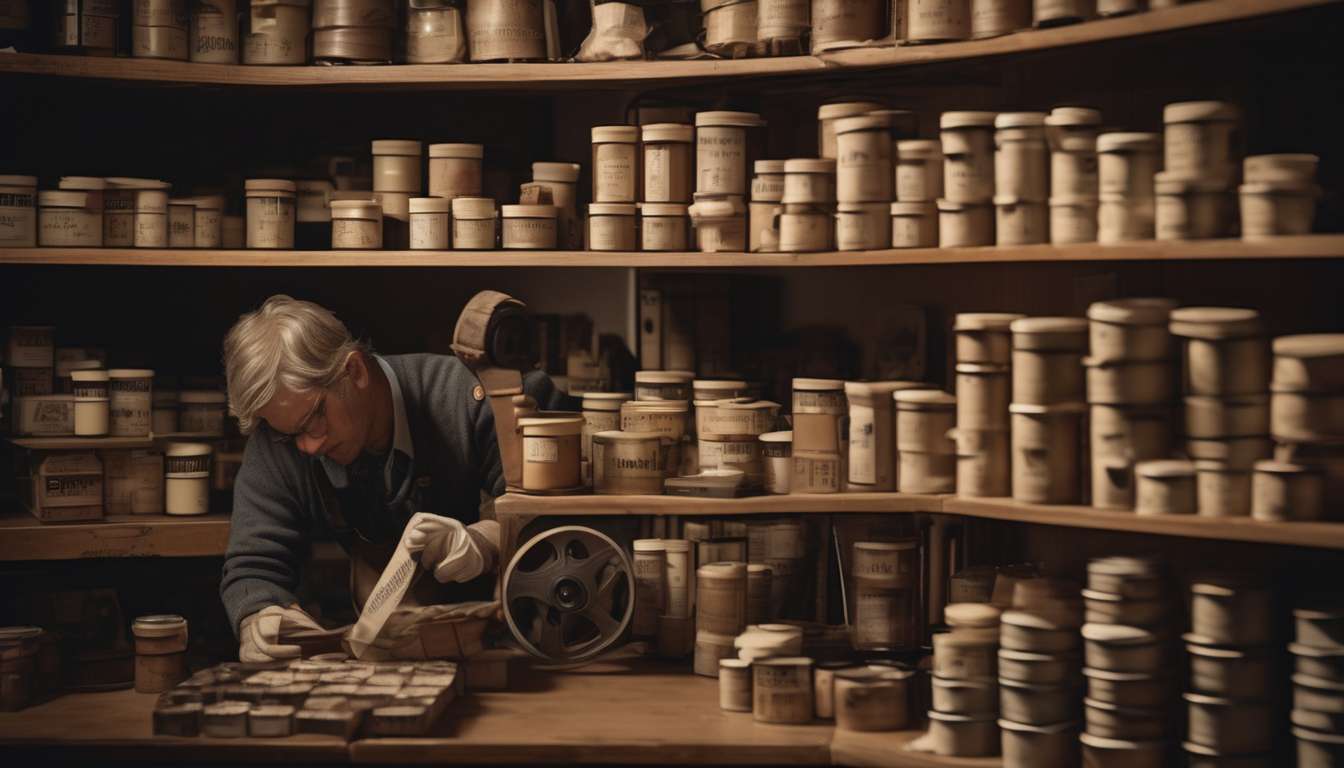
Cultural archives preserving adult industry media history
Records show that by the 1990s, more than half of early adult films were already lost to degradation or obscurity.
We approach this unsettling statistic not with titillation but with responsibility: as archivists, scholars, and community members, we recognize that adult industry media constitute vital artifacts of social history, sexual expression, and technological innovation.
We argue for treating these materials with the same rigor applied to other cultural records:
- Catalog context — document production dates, locations, formats, and distribution channels.
- Preserve formats — migrate fragile physical media to stable digital masters and maintain original carriers when possible.
- Document creators’ lives — record oral histories, credits, and labor conditions to situate the work historically.
Our work uncovers marginalized labor histories, evolving norms around consent and representation, and the shifting intersections of commerce, art, and intimacy.
By preserving these media, we restore voices erased by stigma and decay, enabling future researchers to analyze cultural change honestly.
We advocate for ethical stewardship that balances privacy, legality, and access:
- Privacy — protect performers’ identities and personal boundaries where requested.
- Legality — ensure compliance with age verification, copyright, and other relevant laws.
- Access — create controlled access policies that allow scholarship while minimizing harm.
Responsible archives can inform public understanding without retraumatizing performers, fostering historical insight alongside respect and care.
Historical Significance
We recognize the historical significance of adult-industry media as a vital record of changing sexual norms, technologies, and cultural debates.
We view these materials as community heritage that documents identity, labor, and expression across time.
By prioritizing archival preservation, we ensure fragile formats and ephemeral ephemera survive for study and reflection, so future generations can understand social shifts rather than repeat erasures.
We balance openness with responsibility by implementing controlled access protocols that protect contributors and researchers while fostering trustworthy scholarship.
We welcome stakeholders—scholars, creators, and audiences—into collaborative stewardship, so everyone feels invested in ethical care and interpretation.
We emphasize that contextual details matter:
- Dates
- Creators’ intent
- Distribution paths
- Cultural responses
These elements shape how artifacts inform histories.
We commit to transparent policies and ongoing community dialogue, recognizing that preservation isn’t neutral but rooted in values.
We aim for archives to be places where people seeking connection and understanding can find materials treated with rigor, respect, and clear custodial purpose.
Provenance and Cataloging
We document and verify each item’s origin, chain of custody, and contextual metadata before it enters the catalogue to establish trust and research value.
Provenance is treated as a living record.
- Donor notes, production credits, acquisition dates, and any legal or ethical constraints are recorded.
- These details explain how items arrived and why they matter to future users.
We use standardized metadata schemas to promote discoverability and community contributions.
- Standardization makes it easier for everyone to explore and add context.
Cataloging balances transparency with privacy.
- Sensitive fields are masked and accessible only under controlled access protocols.
- Access controls protect contributors and subjects while preserving useful context.
Archival preservation is prioritized in our descriptive records.
- Physical condition reports and recommended storage treatments are linked to each entry.
- We document preservation needs but do not perform stabilization ourselves here.
We build clear, inclusive finding aids and searchable records.
- These resources create a shared, trustworthy catalog for researchers, creators, and community members.
That shared clarity strengthens collective stewardship and affirms that these materials belong in a preserved, accessible cultural archive.
Media Stabilization Strategies
Priority: immediate, low‑intervention stabilization to halt deterioration before long‑term conservation or digitization.
Actions:
- Assess condition quickly to identify unstable items.
- Isolate unstable items and place them in clean, inert enclosures to slow decay.
- For magnetic tapes and film:
- Keep reels wound evenly.
- Use buffered paper sleeves.
- Store reels upright when possible.
- For photographs:
- Separate stuck or warped prints with interleaving tissue.
- For born‑digital files:
- Create verified bit‑level copies.
- Write basic metadata tying files to provenance to preserve context.
Documentation and access control:
- Document every step so community members feel included and informed; clear records also support later archival preservation work.
- Set controlled access procedures that balance research needs with item safety, limiting handling to trained staff or supervised visits.
Training and community involvement:
- Train volunteers in handling protocols and simple environmental checks to create shared responsibility.
Outcome:
These pragmatic, respectful measures stabilize materials now, honor creators’ histories, and prepare collections for careful conservation and digitization that follow.
Ethical Stewardship Practices
We prioritize respectful, transparent decision‑making that centers creators’ rights, subjects’ dignity, and community trust.
We commit to archival preservation practices that are careful, consistent, and accountable, so materials remain intact and intelligible for those who belong to and study the culture.
We document provenance rigorously, recording origin, context, and consent histories, so every item’s story is clear and traceable.
We balance openness with responsibility by implementing controlled access tiers that honor contributor preferences and the safety of communities represented.
We involve stakeholders—performers, producers, scholars, and audience members—in policy drafting so people feel seen and heard.
We standardize metadata, use interoperable formats, and maintain preservation plans that anticipate format obsolescence.
We train staff in trauma‑aware handling and inclusive description, avoiding stigmatizing language and centering self‑identification.
We review policies regularly with community advisory boards, adapting as needs change.
Our ethical stewardship aims to preserve history while nurturing trust, dignity, and collective belonging.
Legal and Privacy Considerations
We will navigate complex legal and privacy obligations carefully to protect creators’ rights, uphold consent agreements, and minimize harm to the people represented in the collection.
We recognize that archival preservation of adult industry materials carries unique responsibilities.
- We will document provenance thoroughly.
- We will record licensing and consent metadata.
- We will assess risks tied to identification or stigmatization.
We will adopt clear policies that balance public interest with personal safety and involve community members so policies feel collaborative rather than imposed.
We will use controlled access mechanisms for sensitive items.
- Restricted reading rooms.
- Tiered digital permissions.
- Vetting procedures.
We will regularly review retention and redaction practices and keep transparent records of legal review, takedown requests, and consent changes so contributors and researchers can trust our stewardship.
We will train staff on privacy law basics and trauma-informed handling.
We will make appeals and dispute procedures available, ensuring everyone connected to the archive knows their rights and can participate in decisions about their own histories.
Oral Histories and Creator Records
We will prioritize collecting oral histories and creator records with informed consent, clear metadata, and secure storage.
- Collect first-person narratives, contracts, correspondence, and production notes to strengthen archival preservation and document provenance.
- Record consent choices alongside descriptive metadata so each contribution is traceable and meaningful.
- Ensure informed consent by explaining how records will be used and by offering options for anonymity.
We will build and maintain trust with contributors.
- Explain usage, access, and retention policies clearly at the point of collection.
- Offer anonymity or restricted-access options when requested.
- Store consent and access choices with the item’s metadata to honor contributors’ wishes over time.
We will train staff to conduct respectful, culturally aware interviews.
- Provide training on honoring lived experience and cultural context during interviews.
- Use best practices for interviewing, transcription, and handling sensitive material.
We will ensure reliable, version-controlled storage and redundancy.
- Store audio files, transcripts, and records with version control.
- Maintain redundant backups and secure storage to protect against data loss.
We will tag items for provenance and contextual relationships.
- Apply provenance tags and contextual links so researchers can follow relationships between creators, works, and communities.
- Include descriptive metadata that documents creation context, contributors, and custody history.
We will balance openness with ethical responsibility through permissions and retention policies.
- Implement role-based permissions to control who can view, edit, or publish materials.
- Develop retention and access policies that reflect contributors’ preferences while keeping materials discoverable.
- Review policies regularly to adapt to legal, cultural, and technological changes.
By centering contributors in all processes, we will create a welcoming archive.
- Prioritize contributor agency, dignity, and privacy.
- Foster confidence that creators’ stories will be preserved accurately, respectfully, and with integrity.
Controlled Access Models
We will limit access to sensitive adult-industry materials through tiered permissions, clear review processes, and requester accountability.
We create a controlled access framework that balances archival preservation with respect for contributors and community safety.
We document provenance thoroughly, so every item’s origin and consent status guides access decisions.
We require researchers to state purpose, agree to use terms, and, when appropriate, obtain additional permissions from creators or rights holders.
We operate review panels that include archivists and community representatives, and we log all accesses to maintain transparency and trust.
We offer graduated access levels:
- Public descriptive records (open access to descriptions and metadata).
- Restricted viewing for vetted scholars (access granted after review and agreement to terms).
- Closed stacks for materials with legal or ethical constraints (no direct access; staff-mediated use only).
We provide mediated access when context or sensitivity demands staff supervision.
By implementing these measures we strengthen belonging by ensuring contributors and users feel heard, protected, and respected, while preserving this cultural record responsibly under clear, enforceable controlled access policies.
Community Partnerships and Outreach
We will build sustained community partnerships and outreach programs that center creators, workers, and advocacy groups in shaping how adult‑industry materials are collected, described, and made accessible.
We will listen first, establish clear expectations, and co‑create policies that respect contributors’ wishes about provenance, attribution, and privacy.
By embedding lived experience in our workflows, we strengthen archival preservation practices and ensure descriptive standards reflect community language and nuance.
We will offer workshops, digital drop‑in sessions, and participatory cataloging events so people feel welcome contributing materials and context.
Outreach will prioritize marginalized voices and provide resources about consent and legal risks, and explain controlled access options so donors can choose appropriate visibility levels.
We will maintain transparent agreements and regular feedback loops, inviting partners to review finding aids and exhibit plans.
Together, we will nurture a trustworthy archive that honors creators’ agency, protects sensitive materials, and foregrounds community stewardship as central to safeguarding this cultural history for present and future generations.
How do cultural archives address the technical challenges of preserving interactive or multimedia adult content (e.g., VR, games, or web-native experiences) that rely on obsolete software or networked services?
We address technical hurdles for interactive, multimedia works that depend on obsolete software or online services.
We tackle emulation, migration, and documentation together.
We recreate runtime environments, negotiate for source access, and capture network interactions.
We prioritize metadata, user experience records, and legally safe copies.
We collaborate with developers, communities, and institutions to ensure these experiences remain accessible, intelligible, and cared for over time.
What strategies do archives use to document and preserve the aesthetic and cultural context of ephemeral promotional materials (flyers, zines, small-press magazines) that were distributed informally and rarely collected?
We recognize that ephemeral promo items need care, so we gather, digitize, and contextualize them together.
We photograph and scan originals.
We record provenance and creator stories.
We capture distribution networks and event contexts.
We solicit donations, crowdsourced memories, and oral histories to fill gaps.
We create metadata, curate thematic collections, and share accessible exhibits so everyone can connect with the materials’ aesthetic, community meanings, and fleeting cultural power.
How are LGBTQ+, sex worker, and marginalized creators’ needs and perspectives integrated into archival description, display decisions, and access policies to avoid misrepresentation or further stigmatization?
We prioritize community consultation and co-creation.
- We consult LGBTQ+, sex worker, and other marginalized creators and communities to shape how materials are described, displayed, and accessed.
- Community-led metadata and exhibition narratives ensure representations are accurate and non-stigmatizing.
We center consent, contextualization, and privacy.
- We prioritize informed consent for use and display, and include contextual information that prevents misinterpretation or sensationalism.
- Tiered access controls are implemented to protect privacy and respect creators’ wishes.
We train staff in trauma-informed and anti-oppressive practices.
- Staff receive ongoing training to handle sensitive content respectfully and to avoid re-traumatization or discriminatory framing.
- Frontline and curatorial teams use these practices when describing, exhibiting, and managing access.
We review policies collaboratively and regularly.
- Policies and practices are reviewed with stakeholders and community representatives on a scheduled basis.
- Co-governance and feedback loops allow communities to update guidance as needs change.
We commit to transparency, accountability, and dignity.
- We document decisions, provide clear rationales for access levels, and make complaint or revision processes available.
- The goal: archives that reflect dignity, agency, and a sense of belonging for marginalized creators.
Conclusion
You’ve seen how cultural archives preserve adult industry media history by documenting provenance, stabilizing formats, and cataloging materials to ensure long-term access.
You’ll balance ethical stewardship, legal privacy, and controlled access while gathering oral histories and creator records.
You can build media stabilization strategies and community partnerships that respect creators and users.
By combining responsible practices and outreach, you’ll help sustain a nuanced, accessible record of this important cultural and historical field for future research and understanding.
